
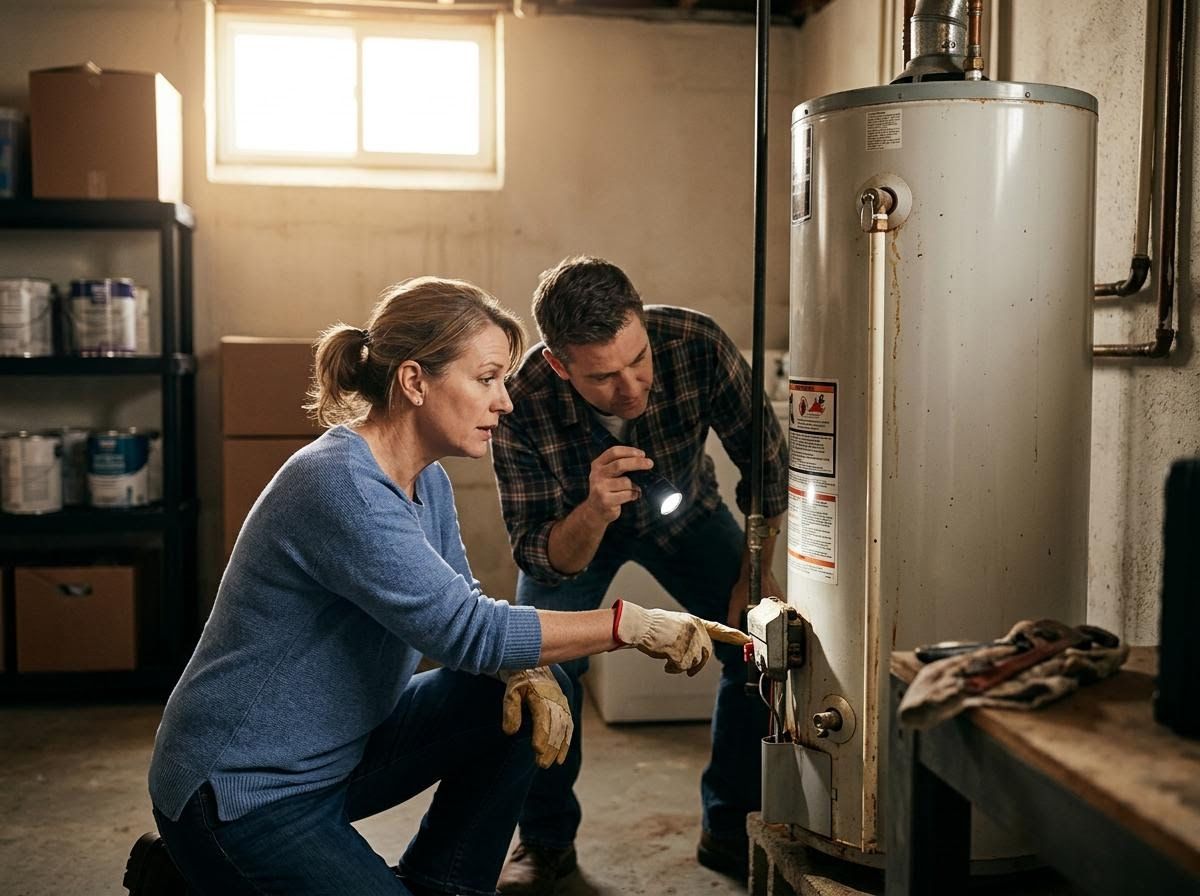
Your hot water heater is one of the hardest-working appliances in your home, essential for daily comfort and hygiene. Like all appliances, it has a lifespan, and recognizing the signs of its decline can save you from unexpected cold showers and costly emergencies. Knowing when to upgrade is key, and understanding responsible disposal options is just as important. At Front Range Recycling Services LLC, we believe in helping homeowners navigate these transitions smoothly and sustainably.
Declining Performance and Age
One of the most straightforward indicators that your water heater is nearing its end is its age and overall performance. Most conventional tank water heaters have a lifespan of 10 to 15 years. As they age, you might notice that your hot water supply isn't as consistent or abundant as it used to be. Showers might turn cold quickly, or it might take an unusually long time for water to heat up after a period of use. These performance dips often signal that the internal components are struggling to keep up with demand, leading to inefficiency and potential failure.
Visible Signs of Wear and Tear
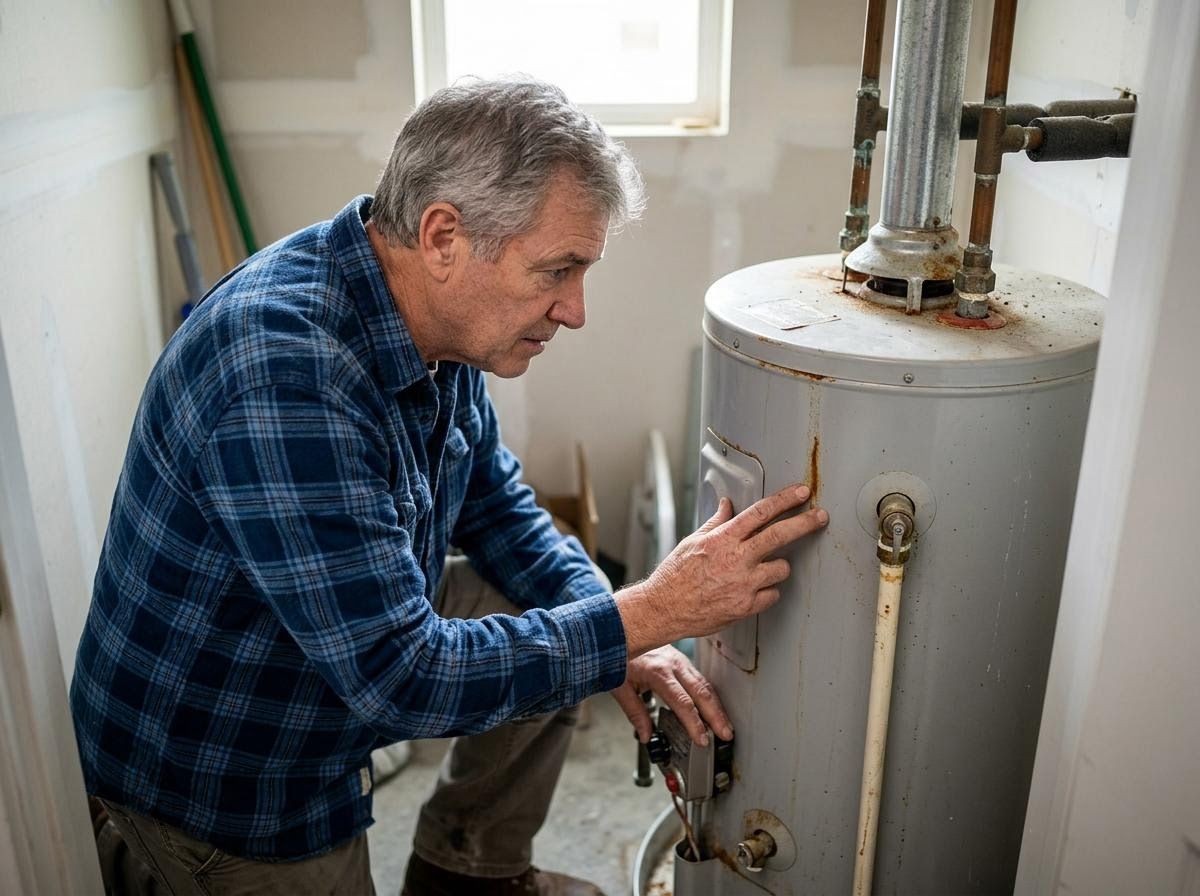
Beyond age, certain physical cues can strongly suggest it's time for a replacement. Keep an eye out for any leaks around the base of the tank, which often indicate corrosion or cracks that can worsen over time. Rust is another major red flag; if you see rust on the tank's exterior, around the pressure relief valve, or notice rusty-colored water coming from your faucets, it's a sign of internal deterioration. Strange noises like rumbling, banging, or popping sounds also point to sediment buildup at the bottom of the tank, which reduces efficiency and can damage the unit.
Rising Energy Bills
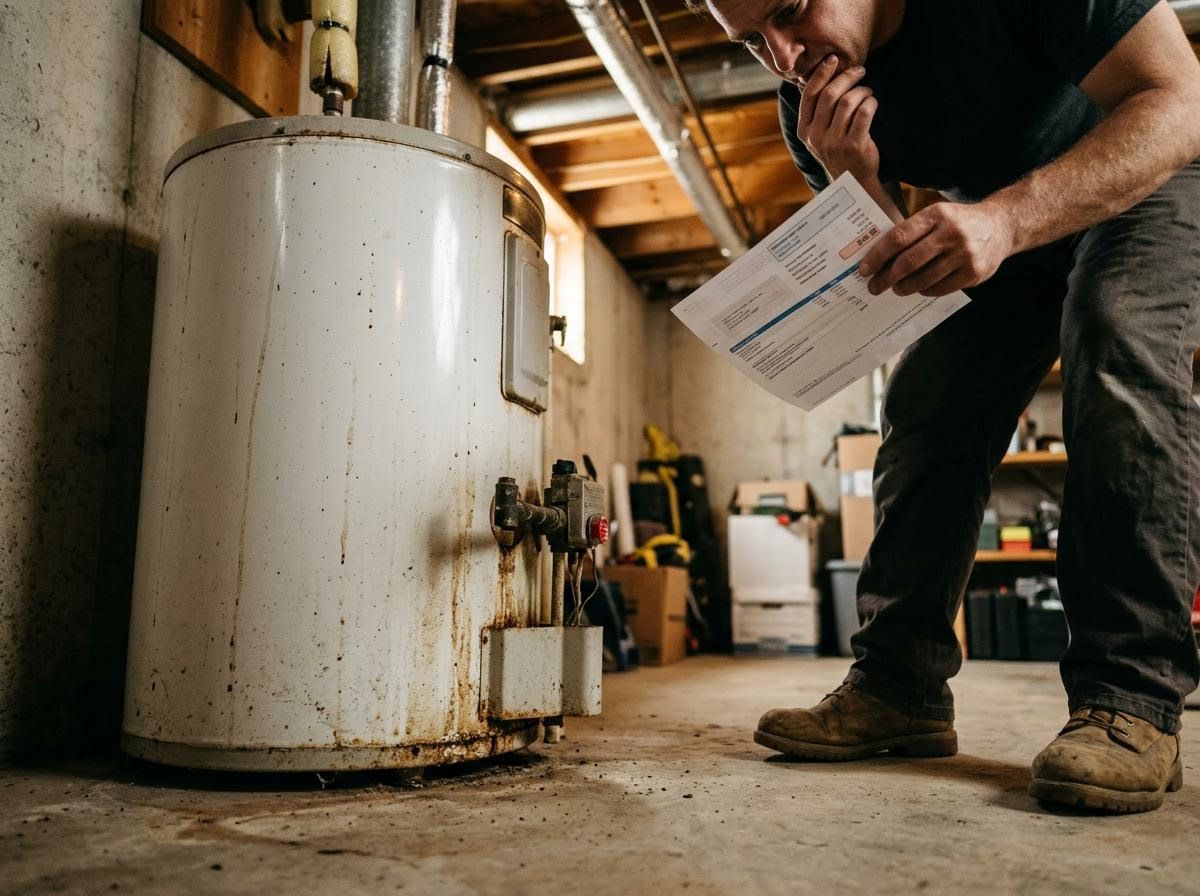
An aging or failing hot water heater can be a significant drain on your household budget. As internal components wear out and sediment builds up, the unit has to work harder and longer to heat water to the desired temperature. This increased workload directly translates to higher energy consumption and, consequently, higher utility bills. If you've observed an unexplained spike in your electricity or gas bill, especially related to hot water usage, your water heater might be the culprit. Upgrading to a newer, more energy-efficient model can often lead to substantial long-term savings.
Responsible Disposal Considerations
When it's time to replace your hot water heater, the old unit can present a disposal challenge due to its size and weight. More importantly, water heaters contain various materials that can be recycled, including steel, copper, and brass. Improper disposal can lead to these valuable resources ending up in landfills, which is not ideal for environmental sustainability. Understanding that your old appliance can be responsibly recycled is a crucial step in the upgrade process, ensuring a minimal environmental footprint.
Making the Right Choice for Your Home
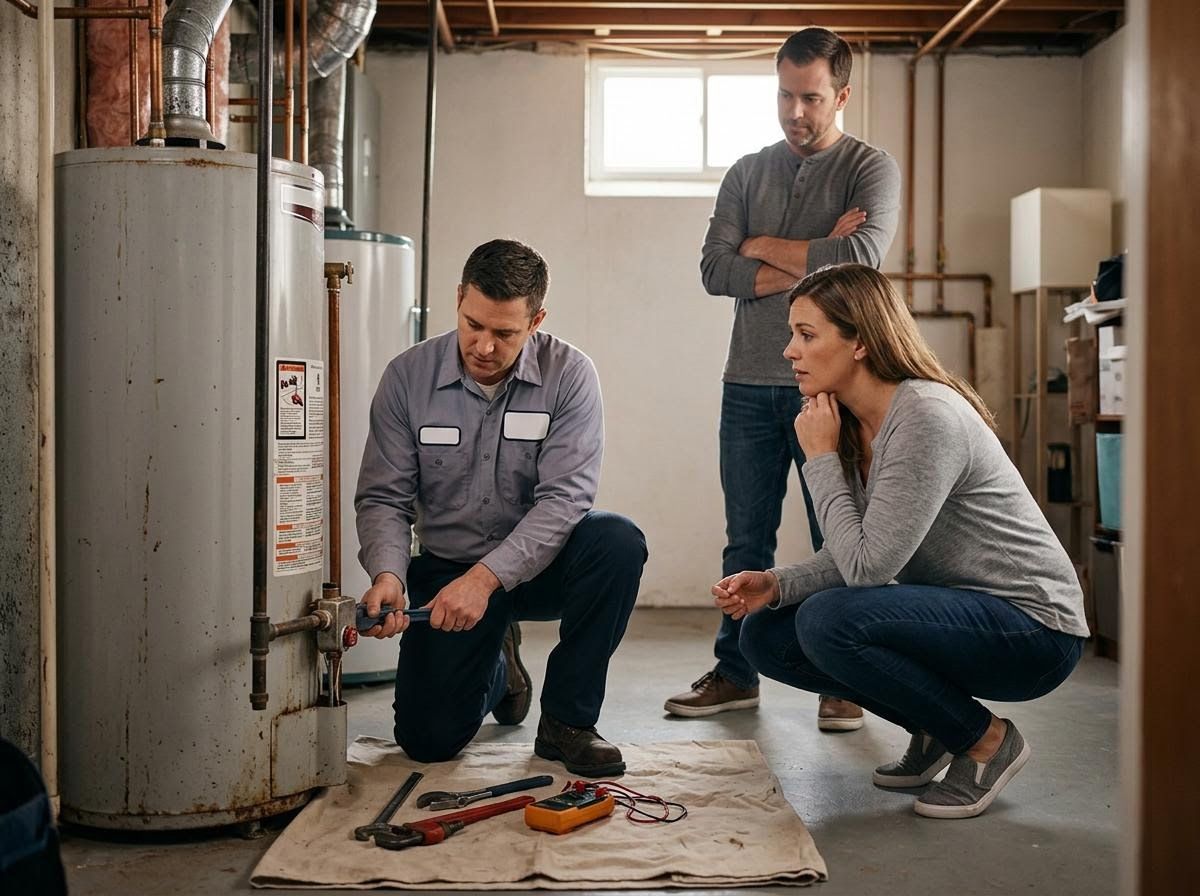
Recognizing these key indicators—age, performance issues, visible damage, and increased energy consumption—is crucial for maintaining a comfortable and efficient home. Upgrading your hot water heater proactively can prevent future headaches, provide significant long-term savings, and improve your daily comfort exponentially. When it's time to part with your old unit, remember that responsible disposal is an essential step towards environmental stewardship. To learn more about eco-friendly junk removal and how Front Range Recycling Services LLC can assist with the proper handling of your old appliances, we invite you to explore our services.