
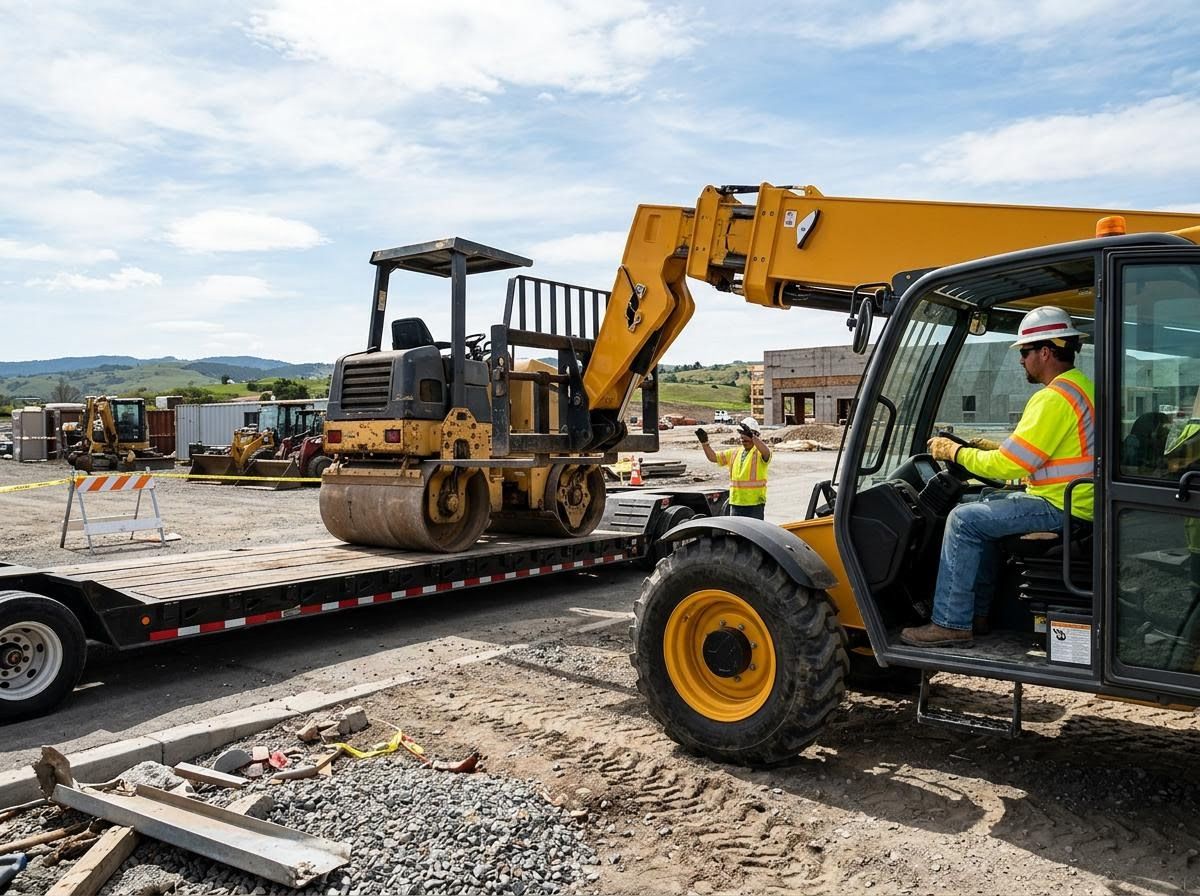
Clearing a worksite of heavy equipment can be a daunting task, fraught with potential hazards if not handled correctly. It’s a process that demands meticulous planning, specialized knowledge, and a commitment to safety to protect both personnel and the environment. At Front Range Recycling Services LLC, we understand the complexities involved and advocate for a professional approach to ensure your site is cleared efficiently and without incident. This guide will walk you through the essential steps for safely removing heavy equipment, transforming a challenging chore into a streamlined operation.
Prioritizing Planning and Site Assessment
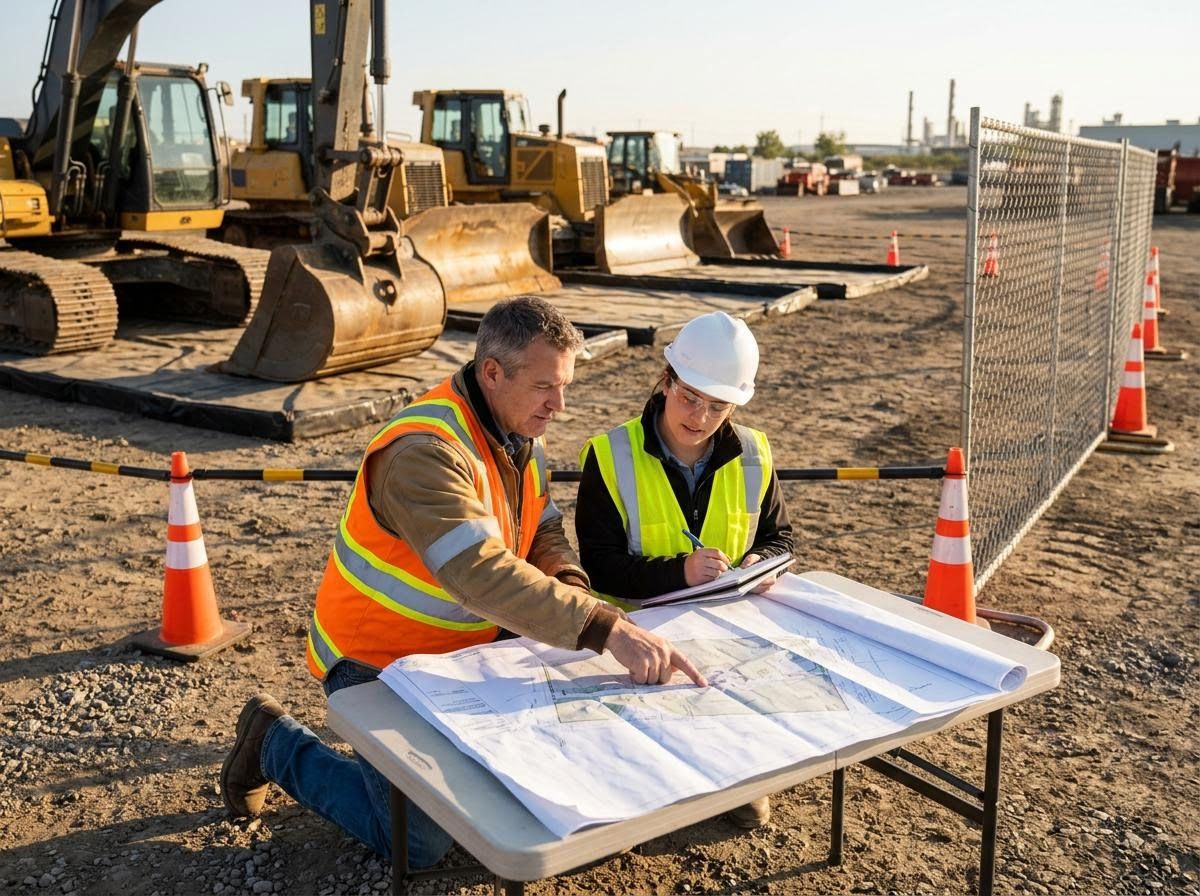
Before any equipment is moved, a thorough planning and assessment phase is critical. This involves identifying all pieces of heavy machinery, evaluating their size, weight, and condition, and understanding any potential contaminants they might hold (like oils or fuels). Develop a detailed removal plan that outlines each step, including the order of removal, necessary equipment like forklifts or cranes, and designated egress routes. Always ensure that the work area is cordoned off to prevent unauthorized access and that all personnel involved are fully briefed on the specific risks and safety protocols for the operation. A comprehensive assessment helps mitigate risks and ensures a smooth execution.
Executing the Removal with Precision and Safety
The actual removal process requires skilled operators and the right equipment to prevent accidents and damage. This often means utilizing specialized heavy hauling vehicles and lifting apparatus designed to handle immense weights and awkward shapes. Safety checks should be performed on all machinery involved in the removal, and personnel must wear appropriate personal protective equipment (PPE) at all times. During the loading and transportation phases, secure all equipment properly to prevent shifting, which could lead to accidents on the road or at the disposal site. Professional execution minimizes downtime, protects your assets, and most importantly, safeguards lives.
Environmentally Responsible Disposal and Recycling Practices
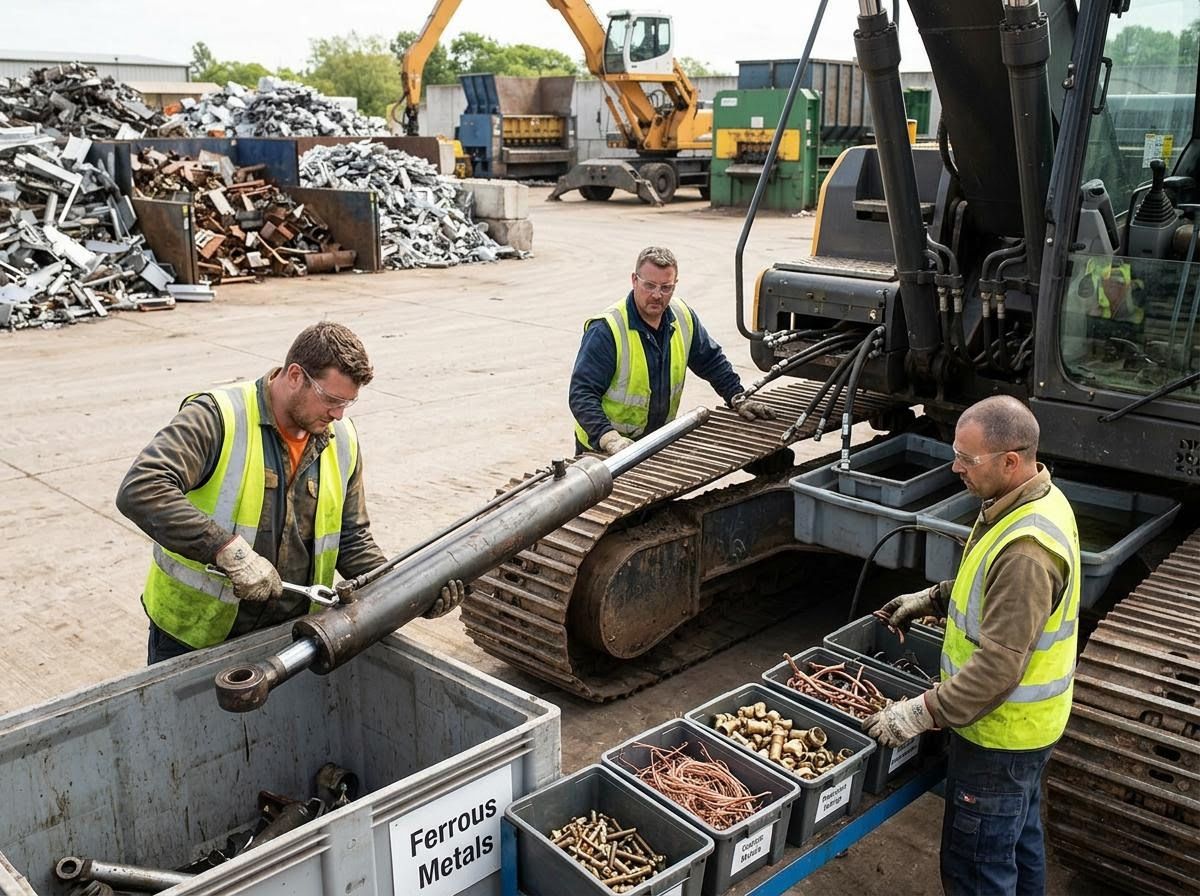
Once equipment is safely removed from your worksite, the next critical step is ensuring its disposal or recycling is handled in an environmentally sound manner. Heavy machinery often contains a variety of materials, including metals, plastics, and potentially hazardous fluids, all of which require specific handling. Recycling scrap metal not only reduces waste but also conserves natural resources and energy. For components that cannot be recycled, proper disposal prevents contamination of soil and water. Partnering with a service that prioritizes eco-friendly practices demonstrates a commitment to sustainability and compliance with environmental regulations.
Ensuring Compliance and Documentation
Throughout the heavy equipment removal process, maintaining diligent records and adhering to all relevant local, state, and federal regulations is paramount. This includes documentation of safety briefings, equipment inspections, waste manifests, and disposal certifications. Compliance ensures that your operation meets legal requirements and can also protect your business from potential liabilities related to environmental non-compliance or workplace accidents. Keeping meticulous records provides a clear audit trail and reinforces your commitment to responsible business practices.
Clearing heavy equipment safely and responsibly is a multifaceted endeavor that demands expertise, precision, and an unwavering commitment to environmental stewardship. By prioritizing thorough planning, professional execution, and eco-conscious disposal, you not only protect your worksite and personnel but also contribute to a healthier planet. To learn more about responsible junk removal and recycling solutions for your business, explore the comprehensive services offered by Front Range Recycling Services LLC.