
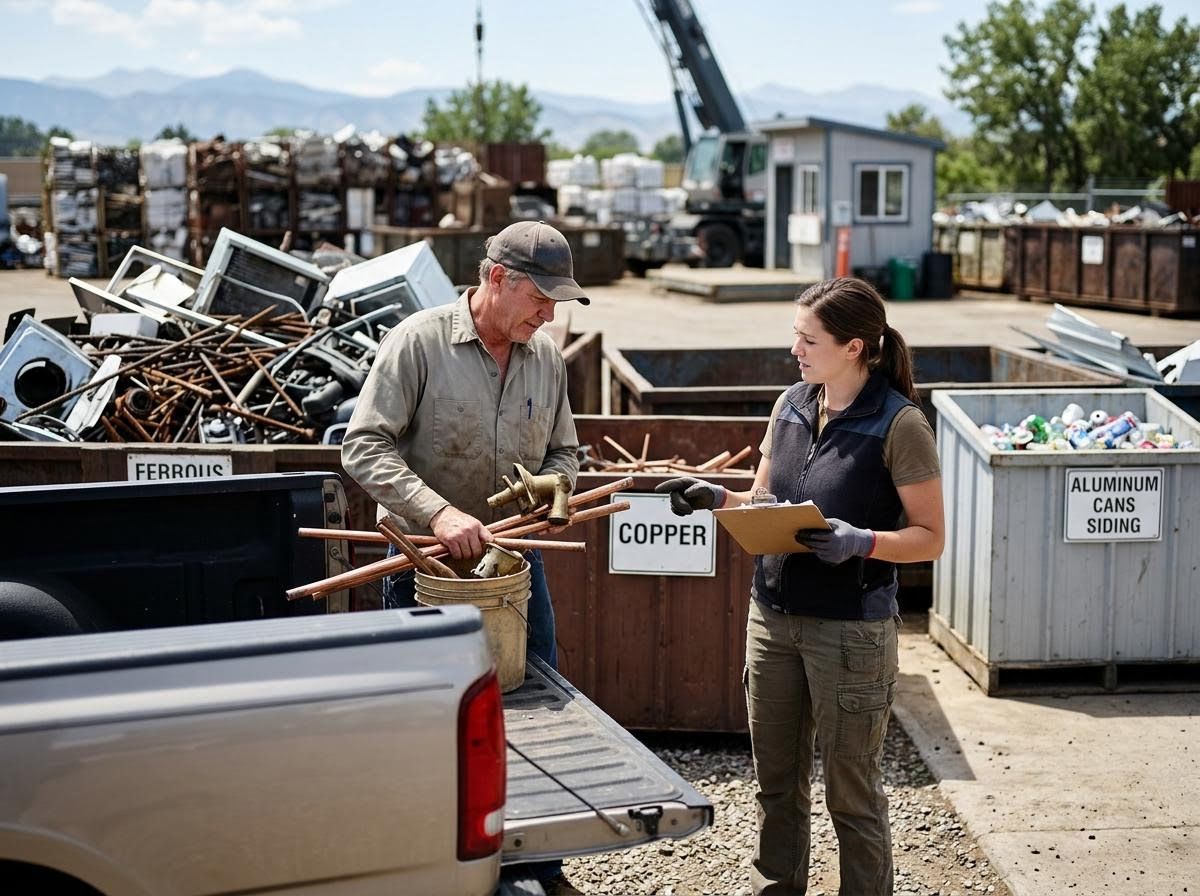
Navigating the world of scrap metal recycling can sometimes feel complex, especially when you're committed to responsible disposal. For residents and businesses in Arvada, understanding what types of metal can be recycled is the first step toward making a positive environmental impact. At Front Range Recycling Services LLC, we are dedicated to providing clear, reliable solutions for managing your unwanted materials, ensuring they are processed efficiently and sustainably. This guide will clarify the common categories of scrap metal we handle, helping you prepare for your next recycling endeavor.
Understanding Ferrous Metals
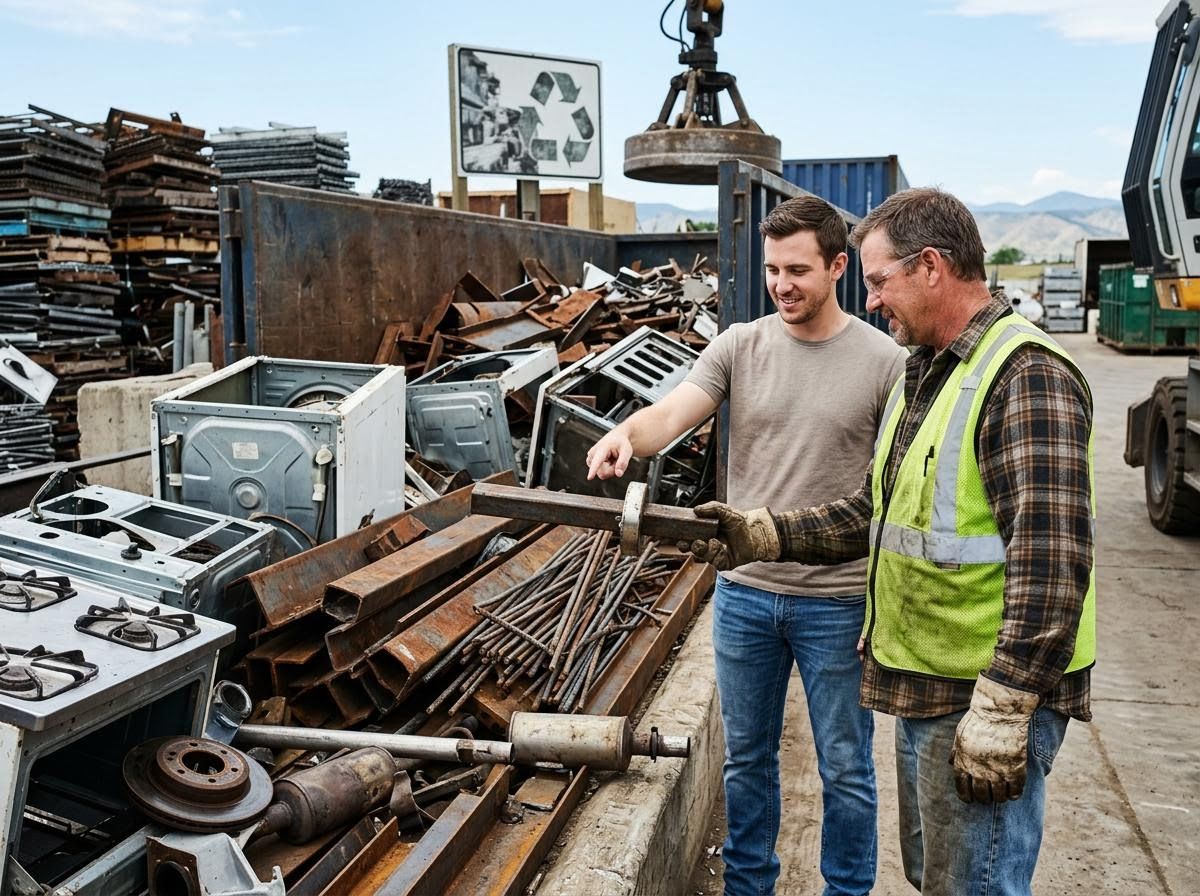
Ferrous metals are characterized by their iron content, making them magnetic. These metals are among the most common materials we encounter in junk removal and recycling operations. Steel and cast iron are prime examples, frequently found in household appliances like refrigerators, washing machines, and ovens (after non-metal components are removed). Construction debris, such as rebar and structural steel, as well as vehicle parts, also fall into this category. Recycling ferrous metals significantly reduces the need for new iron ore mining and decreases energy consumption in manufacturing.
The Value of Non-Ferrous Metals
Non-ferrous metals do not contain iron and are not magnetic, often making them more valuable in the scrap market due to their unique properties and limited supply. Common non-ferrous metals include copper, which is prevalent in electrical wiring, pipes, and plumbing fixtures. Aluminum is another widely recycled non-ferrous metal, found in beverage cans, window frames, siding, and various household items. Brass, often seen in plumbing fittings, decorative elements, and musical instruments, is also highly sought after. These materials are crucial for industries ranging from electronics to construction, and their recycling prevents depletion of natural resources and reduces manufacturing costs.
Preparing Your Metal for Recycling
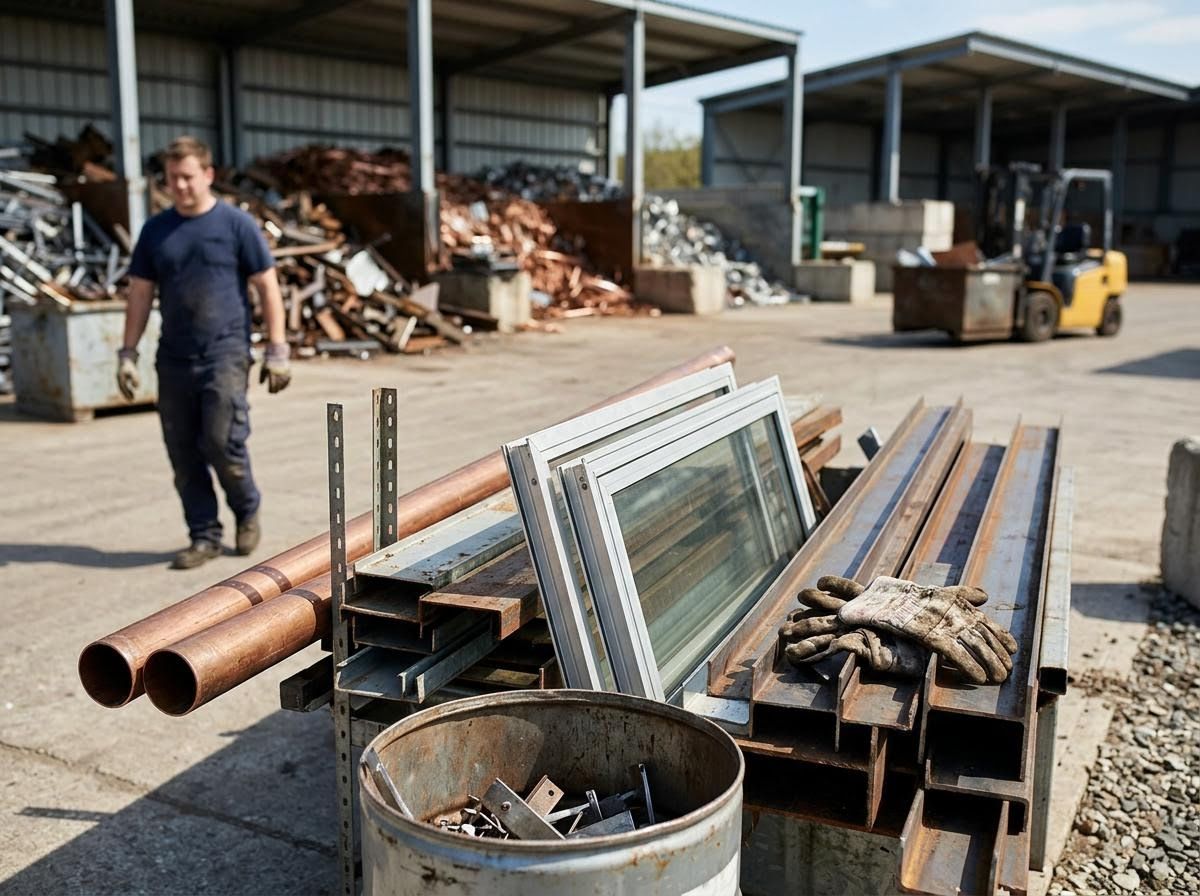
Proper preparation of your scrap metal can make the recycling process smoother and more efficient. While it’s not always necessary to meticulously clean every piece, separating metals by type (ferrous versus non-ferrous) can be beneficial. Removing non-metal attachments, such as plastic handles from tools or rubber from hoses, also helps streamline processing. For larger items or mixed loads, simply ensuring they are accessible and safe for our team to handle is often sufficient. If you have specific items or large quantities, consulting with experienced professionals can help determine the best approach for collection and recycling.
Why Metal Recycling Matters
The act of recycling metal extends far beyond simply decluttering your space; it’s a critical component of environmental stewardship and resource conservation. Recycling metal significantly reduces greenhouse gas emissions, conserves natural resources by lessening the demand for raw material extraction, and saves a substantial amount of energy compared to producing new metals from virgin ore. For instance, recycling aluminum uses about 95% less energy than producing it from bauxite. By choosing to recycle, you contribute directly to a healthier planet and support a circular economy.
Understanding the types of metal that can be recycled is a vital step toward sustainable waste management. Whether you have old appliances, construction debris, or various household metal items, knowing where they fit in the recycling stream ensures they are properly processed. Front Range Recycling Services LLC is proud to facilitate responsible metal recycling, helping our Arvada community minimize landfill waste and maximize resource recovery. To learn more about our comprehensive junk removal and recycling solutions or to inquire about specific materials, please explore our services.